Understanding the Key Types of Poultry Farm Equipment — and How to Use Them
- Brief hook: explain why choosing the right poultry farm equipment is vital — impacts bird health, productivity, feed/water efficiency, farm hygiene, and overall profitability.
- A short overview: in a poultry farm there are many different types of equipment — from feeding and watering to brooding, egg handling, and environmental control. This post will walk you through the main types and what they are used for.
- Maybe share a quick “who this guide is for” (e.g. small-scale farmers, new poultry keepers, people considering starting poultry farming, etc.).
Table of Contents

- Feeding Systems
- Watering / Drinking Systems
- Brooding & Heating Equipment
- Housing, Environmental & Climate Control Systems
- Egg Handling, Hatchery & Layer-Farm Equipment
- Waste Management, Hygiene & Miscellaneous Tools
- How to Choose Equipment Based on Farm Scale / Purpose
- Conclusion & Takeaways
Feeding Systems
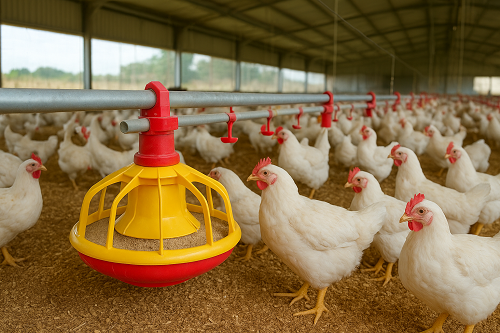
- Describe different types of feeders: trough feeders, tube feeders, linear feeders, circular feeders/pan feeders.
- Explain pros & cons of each: e.g. trough or tube feeders are simple and inexpensive but may require frequent refilling; circular or automatic feeders may reduce feed wastage and better serve larger flocks.
- Mention that correct feeder choice helps ensure all birds get access to feed, reduces waste, and lowers cost (feed being a major part of expenses).
Watering / Drinking Systems
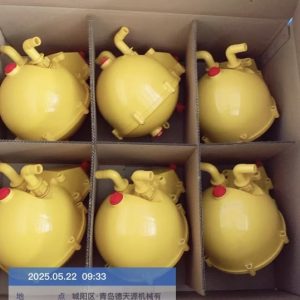
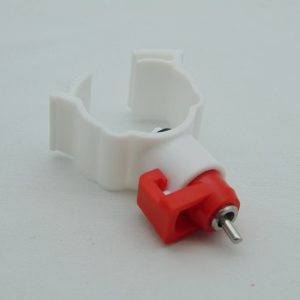
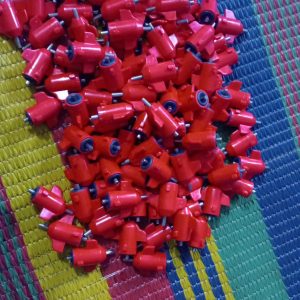
- Introduce common watering systems: bell drinkers, nipple drinkers, manual/fountain drinkers.
- Explain which systems are suited for what — e.g. manual drinkers might suffice for chicks or small backyard flocks; nipple drinkers are often preferred for cage systems or larger operations because they’re more hygienic, reduce spillage, and keep litter dry.
- Emphasize importance of clean, fresh water — water quality & easy access are critical for digestion, health and growth.
Brooding & Heating Equipment
- Explain why brooding equipment matters: young chicks (especially newly hatched) can’t regulate their body temperature well — so heat sources are needed for their survival and proper growth.
- Describe types of brooders / heating setups: canopy brooders, electrical brooders, infrared-bulb brooders, heating lamps, etc.
- Mention “brooder guard” or chick-guard when using brooders, to keep chicks around the heat source, so they don’t stray and risk chilling or starvation.
Housing, Environmental & Climate Control Systems
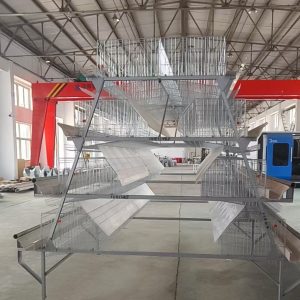
- Explain that proper housing (shed, cages or deep-litter systems) and environment control (ventilation, temperature/humidity control) are essential — especially in larger or commercial farms.
- Highlight that equipment may include exhaust fans, cooling pads (in controlled sheds), sensors for humidity/temperature, water-pumps, and other infrastructure depending on climate/scale.
- Emphasize how environment affects bird health, stress, growth rate, feed conversion, and overall productivity.
Egg Handling, Hatchery & Layer-Farm Equipment (if relevant)
- For layer or breeder farms: equipment may include nest boxes / laying nests, egg trays or crates, egg collection systems, egg-handling trays, and possibly hatchery/ incubation equipment (if you hatch chicks yourself).
- For small-scale operations, maybe simpler manual collection; for larger/commercial operations — automated or semi-automated handling may be more efficient.
Waste Management, Hygiene & Miscellaneous Tools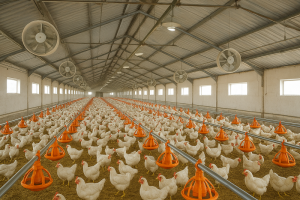
- Mention other necessary tools: cleaning equipment, disinfectant sprayers, waste removal tools, manure handling, wheelbarrow, general farm-management tools — essential for hygiene and preventing disease.
- Explain that good hygiene and proper waste handling are just as important as feeding/watering or brooding — helps ensure flock health, productivity and longevity.
How to Choose Equipment Based on Scale / Purpose
- For small/backyard farms: simple manual feeders/drinkers, basic brooder (for chicks), small housing or deep-litter system, minimal automation — cost-effective and manageable.
- For commercial or larger-scale farms: automated feeders/drinkers, environment control (ventilation, sensors), proper housing layout (cages/sheds), possibly hatchery-related equipment, waste management systems — for efficiency, labour-saving, and higher productivity.
- Emphasize balancing between initial cost, maintenance, benefit (feed efficiency, flock health), and farm’s size/purpose.
Conclusion
- Recap main message: using the right types of equipment — feeders, drinkers, brooders, proper housing, hygiene tools — is key to a healthy, productive, and efficient poultry farm.
- Encourage readers (farm-owners or aspiring poultry keepers) to consider their scale, budget, climate and production goals when selecting equipment.
- Optionally: provide a short checklist or “starter-kit recommendation” (for small-scale or commercial) to help readers plan.