Hatchery Optimization
In modern poultry production, hatchery optimization is a pivotal step toward maximizing output, improving flock quality, and driving profitability. Among the many tools that support this process, high-precision incubators stand out as essential equipment for achieving consistent, high-quality hatch rates.
In this comprehensive guide, we’ll explore how high-precision incubators work, why they matter for hatchery operations, and how they can help you achieve superior hatch rates year-after-year.
What Is a High-Precision Incubator?
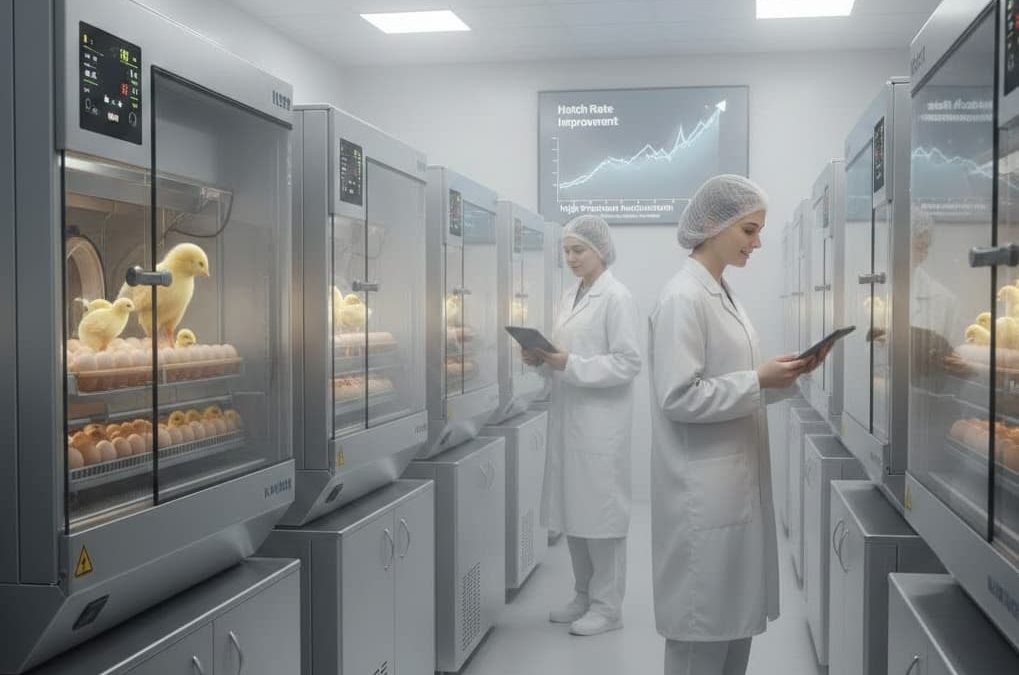
A high-precision incubator is an advanced machine used in poultry hatcheries that mimics and enhances the natural conditions under which eggs develop and hatch. Unlike traditional incubators, high-precision systems use digital sensors, microprocessor controllers, and automated mechanisms to continuously monitor and adjust temperature, humidity, ventilation, and egg turning. By maintaining consistent and optimal conditions throughout the incubation period, they significantly improve embryo development and hatch success.
The Critical Role of Incubation Conditions
Successful embryo development depends on maintaining the right environment during the entire incubation cycle. Even slight deviations in temperature or humidity can negatively impact hatchability, embryo health, and chick quality. High-precision incubators are designed to address these challenges.
Key environmental factors include:
-
Temperature Control – Maintaining a stable temperature within precise ranges (often within ±0.1 °C) is critical for embryonic development.
-
Humidity Management – Proper humidity levels help ensure correct moisture loss from eggs, which influences chick size and hatch timing.
-
Airflow and Ventilation – Uniform circulation prevents hot or cold spots and provides fresh air for embryo respiration.
-
Automated Egg Turning – Automated rotation prevents embryo adhesion to shells, a key factor for uniform development.
By controlling these variables with precision, modern incubators create stable environments that significantly raise hatch rates.
How High-Precision Incubators Improve Hatch Rates
1. Consistent Environmental Control
High-precision incubators use sensors and digital controllers to continuously monitor conditions, adjusting settings in real time to maintain the ideal environment for embryo development. These automated adjustments reduce temperature and humidity fluctuations — one of the primary causes of hatch failures.
This consistency boosts hatchability and reduces variability between batches, giving hatchery operators more predictable and reliable results.
2. Enhanced Embryo Viability and Chick Quality
Improved environmental stability directly translates to healthier embryos, stronger chick vitality, and uniform growth. When embryos experience steadier conditions, the result is lower mortality, better immune response, and higher survival rates post-hatch.
This consistency in chick quality is especially important for commercial operations where uniform strength and performance translate into better market value.
3. Automated Operation and Reduced Human Error
Manual monitoring of incubation conditions is time-intensive and prone to error. High-precision incubators automate many routine tasks such as temperature monitoring, humidity adjustments, and egg turning — significantly reducing labor demands and the risk of human error.
Automation also frees up staff time, enabling hatchery personnel to focus on broader operational priorities rather than constant manual checks.
4. Better Data Visibility and Decision-Making
Many modern incubators include data logging and digital dashboards that provide insights on incubation conditions throughout the hatch cycle. This data can be used to refine practices, diagnose issues, and improve planning over time.
With access to detailed logs and alerts, hatchery managers can make data-driven decisions that further optimize hatch performance and reduce losses.
Technological Advancements in Precision Incubators
High-precision incubators continue to evolve, incorporating new technologies that further enhance hatchery performance:
IoT-Enabled Monitoring
Some modern incubators include Internet of Things (IoT) capabilities, allowing remote monitoring and alerts via mobile apps or computer dashboards. Real-time data access ensures that hatchery managers can respond immediately to any deviation in key parameters.
AI and Predictive Adjustments
Cutting-edge systems integrate artificial intelligence (AI) to analyze environmental trends and embryo responses, automatically adjusting conditions for optimal development. AI can even help identify weak eggs early in the cycle, improving overall hatch outcomes.
Energy Efficiency and Sustainability
Advanced incubators often incorporate energy-saving technologies and improved insulation to reduce heat loss and lower operating costs. These upgrades not only improve sustainability but also enhance the incubator’s ability to maintain stable conditions.
Practical Benefits for Hatchery Operations
Higher Hatch Rates and Output
Precision control often leads to higher hatchability, with many modern incubators consistently delivering hatch rates above traditional benchmarks.
Healthier, Uniform Chicks
Better management of conditions results in chicks that are more consistent in size and vitality — essential attributes for successful rearing and market performance.
Selecting the Right High-Precision Incubator
When choosing a high-precision incubator for your hatchery, consider the following features:
-
Accurate sensor controls for temperature and humidity
-
Automated egg turning with customizable intervals
-
Data logging and remote monitoring capabilities
-
Energy-efficient design to reduce operating costs
-
Capacity flexibility to match your hatchery’s scale
Providing high-quality incubators with these capabilities helps hatchery operators achieve maximum hatch potential and long-term productivity.
Why Precision Matters in Modern Hatcheries
In today’s competitive poultry industry, hatchery optimization is critical. High-precision incubators deliver the environmental control, automation, and data insights necessary to raise hatch rates, improve chick quality, and streamline operations. From consistent temperature management to sophisticated AI adjustments, these systems represent a major step forward in hatchery technology.
For poultry equipment suppliers, offering high-precision incubators not only fulfills a key market need but also positions your business as a partner in advancing farm efficiency and profitability. Whether serving small farms or large commercial hatcheries, precision incubators are an essential investment for any operation focused on premium hatch performance and sustainable growth.