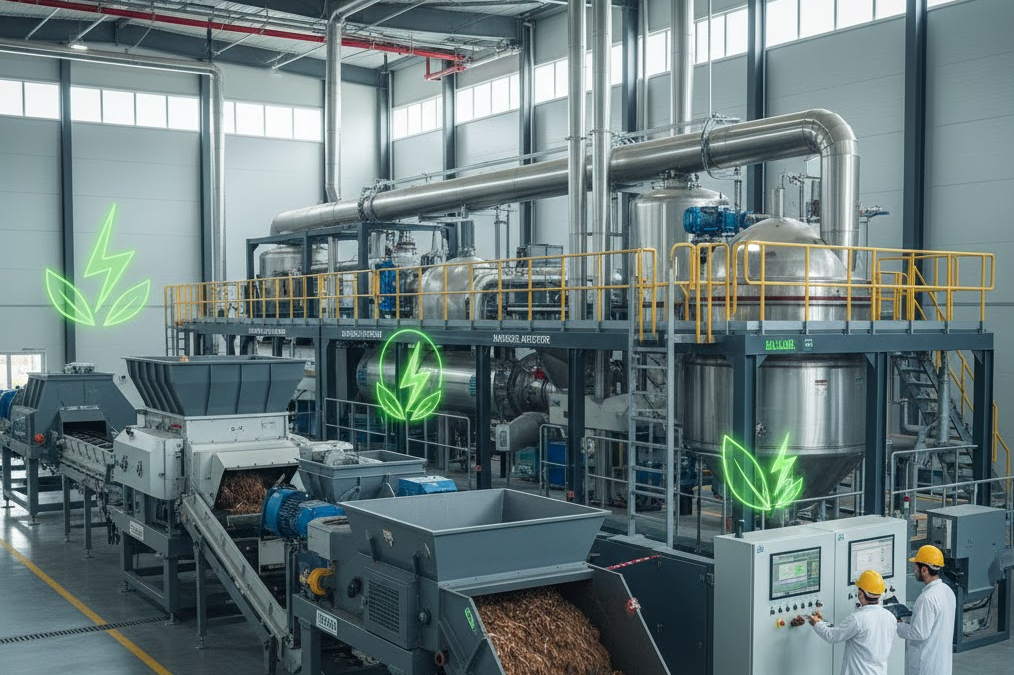
Waste Management Solutions: Turning Poultry Waste into Energy with Modern Machinery
Efficient waste management is one of the most pressing challenges facing modern poultry farms. With large volumes of manure, litter, feathers, and by-products generated daily, traditional disposal methods like open dumping or untreated spreading can lead to environmental pollution, foul odors, greenhouse gas emissions, and high disposal costs. Fortunately, advancements in modern machinery and sustainable technologies are transforming poultry waste from a burden into a valuable resource—particularly by converting waste into renewable energy. This creates not only an environmentally friendly solution but also new revenue streams and reduced operational costs for poultry producers.
In this comprehensive guide, we’ll explore how poultry farms can turn waste into energy, the technologies involved, their benefits, and how modern machinery plays a central role in waste-to-energy solutions.
The Challenge of Poultry Waste
Poultry waste typically includes manure, litter (a mix of manure and bedding materials), feathers, spilled feed, and wash water. Left untreated, this organic waste can:
-
Release potent greenhouse gases like methane and ammonia
-
Contaminate water bodies and soil
-
Cause unpleasant odors
-
Increase waste disposal costs for farms
Given these challenges, transformative waste management solutions are critical for sustainable poultry operations. Rather than viewing waste as a liability, farms can now adopt technologies that recover energy and valuable by-products from this material.
Waste-to-Energy Technologies for Poultry Farms
Modern waste management technologies turn poultry waste into energy through several processes. These systems not only treat waste but also produce renewable energy that can be used on-site or sold. Here are the most impactful technologies:
1. Anaerobic Digestion and Biogas Production
In poultry operations, this typically involves feeding poultry litter and manure into a biogas digester where it decomposes and produces biogas—a mixture of methane (CH₄) and carbon dioxide (CO₂).
Biogas can be:
-
Used directly for heat generation
-
Converted to electricity through generators
-
Upgraded into biomethane (renewable natural gas) for fuel or grid injection
This process reduces waste volume and transforms organic matter into clean, renewable energy.
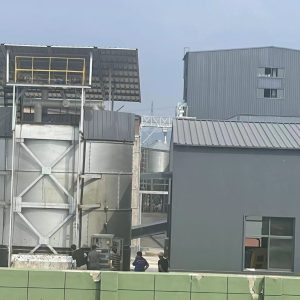
Biogas digesters are available in various capacities—from small units for independent farms to large industrial systems capable of processing tons of litter daily. Some advanced designs also incorporate corrosion-resistant materials like stainless steel to maximize longevity and reliability under harsh conditions.
2. Gasification and Combustion
Gasification involves heating poultry litter or solid waste in a low-oxygen environment to produce syngas—a combustible gas mixture suitable for power generation. Similarly, controlled combustion (burning waste under regulated conditions) produces heat and electricity for on-site use.
These technologies support energy-independent farming—helping reduce reliance on grid power and fossil fuels. They’re especially useful where heat or electricity demand is high, such as in hatcheries or broiler houses.
3. Rendering and Advanced Processing
In addition to energy recovery, some modern machinery processes poultry by-products (like feathers and offal) into valuable materials. Rendering plants break down waste into animal feed ingredients, fertilizers, and biofuels. This approach maximizes the value extracted from waste streams while supporting circular economy principles.
How These Systems Work Together
Step 1: Waste Collection and Preparation
Poultry waste is collected daily from poultry houses and stored in controlled conditions to minimize odor and nutrient loss. This waste can include:
-
Manure and litter
-
Poultry mortalities
-
Wash water and sludge
Mechanical equipment like conveyors, separators, or shredders prepare the material for digestion or combustion.
Step 2: Conversion Technology
The prepared waste is fed into systems such as:
-
Anaerobic digesters (for biogas production)
-
Gasifiers or combustion chambers (for heat and electricity generation)
-
Rendering units (for biofuel and by-product extraction)
Inside an anaerobic digester, microbes break down organic matter, producing biogas over several weeks under controlled temperature and pH conditions. These systems often include mixers and sensors to ensure stable digestion and optimal gas yield.
Step 3: Energy Utilization
The biogas or syngas produced can be:
-
Burned to generate electricity for hatcheries, farm offices, or refrigeration
-
Used for heat production—helpful for brooding temperature control
-
Purified into biomethane and used as a fuel source
Using on-site generated energy reduces utility expenses, lowers carbon emissions, and enhances farm sustainability.
Step 4: By-Product Management
After energy extraction, residual materials—called digestate—can be processed further. Digestate is rich in nutrients and can be sold or used directly as biofertilizer, increasing soil fertility and reducing the need for synthetic fertilizer applications.
Business and Environmental Benefits
Adopting waste-to-energy machinery delivers multiple benefits for poultry farms:
✔ Reduced Waste and Disposal Costs
By converting manure into energy and fertilizer, waste volume declines significantly, reducing landfill use and disposal expenses.
✔ Renewable Energy Production
Biogas, biomethane, and syngas provide clean energy, lowering dependency on external fuel sources and improving energy security for farms.
✔ Lower Environmental Impact
These technologies cut greenhouse gas emissions, minimize odor, and support compliance with environmental regulations.
✔ Additional Revenue Streams
Energy sales, carbon credits, and by-products like biofertilizers or dry ice present new income opportunities for poultry operations.
✔ Enhanced Sustainability and Brand Reputation
Integrating sustainable waste solutions demonstrates environmental stewardship—an increasingly important factor for supply chain partners and consumers.
Modern Machinery for Poultry Waste Management
To implement waste-to-energy solutions effectively, quality machinery is essential. Poultry equipment suppliers today offer:
-
Biogas digesters & generators
-
Gasification units for energy conversion
-
Rendering plants for processing by-products
-
Manure separators and conditioners
-
Composters and drying tunnels for fertilizer production
Choosing the right equipment depends on your farm’s scale, waste volume, and energy goals. High-efficiency systems with robust construction and automated control modules deliver consistent performance and long service life.
Best Practices for Adopting Waste-to-Energy Solutions
To maximize results from these systems:
1. Conduct a Waste Audit
Understand the volume and composition of waste your farm produces to select suitably scaled machinery.
2. Integrate with Farm Operations
Ensure energy produced is effectively utilized on-site—such as for heating brooders, powering fans, or generating electricity.
3. Regular Maintenance and Monitoring
Routine checks on digesters, burners, and conveyors keep systems stable and efficient.
Sustainable Poultry Waste Management Is the Future
Turning poultry waste into energy with modern machinery is no longer a futuristic concept—it’s a practical, financially viable, and environmentally responsible solution for poultry farms of all sizes. From biogas production to advanced rendering, these technologies help poultry producers:
-
Reduce waste and emissions
-
Cut energy costs
-
Create additional revenue sources
-
Support long-term sustainability goals
For poultry equipment suppliers, offering these solutions positions your business at the forefront of innovation in sustainable farming—a key differentiator in a competitive market. With the right machinery and expertise, poultry waste becomes not just a problem to manage, but a resource to harness.