The Role of Nipple Drinking Systems in Preventing Disease
Water is the most essential nutrient for poultry, yet it is often the most overlooked. In traditional open-trough or bell drinker systems, water contamination is common, leading to disease outbreaks, poor growth, and higher mortality. Nipple drinking systems solve this challenge by delivering clean, fresh water directly to each bird, reducing exposure to pathogens and improving overall flock health.
This article explores how nipple drinking systems prevent disease, improve productivity, and why they are a must-have solution for modern poultry farms.
What is a Nipple Drinking System?
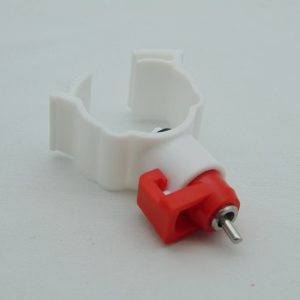
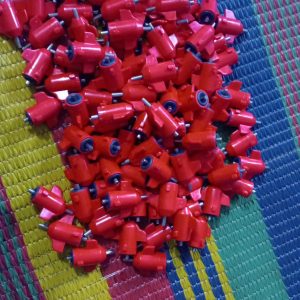
A nipple drinking system is an automated water delivery mechanism designed for broilers, layers, and breeders.
- Nipples or drinkers are installed along water lines inside the poultry house.
- Birds peck at the nipple, releasing a controlled amount of water.
- Water flows directly into the bird’s beak, minimizing spillage and contamination.
- Systems can be adjusted for flow rate, height, and pressure to suit bird age and density.
How Nipple Drinking Systems Prevent Disease
1. Reduced Water Contamination
- Traditional drinkers allow litter, feces, and feed to mix with water.
- Nipple systems deliver water directly, preventing bacterial growth.
- Cleaner water reduces risks of E. coli, Salmonella, and respiratory infections.
2. Improved Litter Quality
- Less spillage means drier litter.
- Dry litter prevents the growth of harmful pathogens and reduces ammonia buildup.
- Lower ammonia levels protect birds’ respiratory health.
3. Controlled Water Flow
- Each bird receives a consistent supply of water.
- Prevents overcrowding and stress around drinkers.
- Ensures hydration without waste, reducing disease linked to dehydration or poor intake.
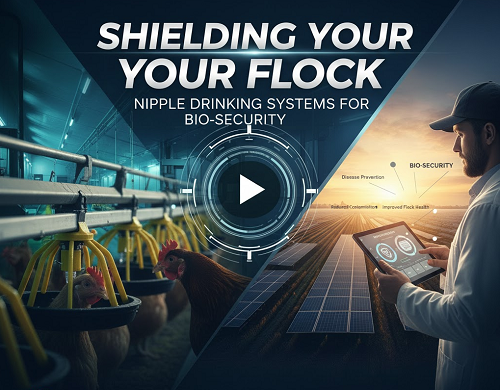
4. Biosecurity Enhancement
- Automated systems reduce human handling of water containers.
- Limits cross-contamination between flocks.
- Supports strict biosecurity protocols in commercial farms.
Benefits Beyond Disease Prevention
1. Better Growth Performance
- Birds with access to clean water eat more feed.
- Improved feed conversion ratio (FCR) leads to higher weight gain.
2. Lower Mortality Rates
- Reduced disease outbreaks mean fewer losses.
- Farmers achieve more consistent flock sizes.
3. Labor and Cost Savings
- No need for manual cleaning of troughs or bell drinkers.
- Automated systems reduce labor costs and improve efficiency.
4. Sustainability
- Less water wastage supports eco-friendly farming.
- Efficient systems reduce energy and resource use.
Nipple Drinking Systems vs. Traditional Systems
| Aspect | Traditional Drinkers | Nipple Drinking Systems |
|---|---|---|
| Water Quality | High risk of contamination | Clean, fresh water supply |
| Disease Risk | Frequent outbreaks | Significantly reduced |
| Litter Condition | Wet, ammonia buildup | Dry, hygienic |
| Labor Needs | High (manual cleaning) | Low (automated) |
| Bird Welfare | Stress, uneven access | Comfortable, equal access |
Why Poultry Equipment Suppliers Should Promote Nipple Systems
For suppliers, nipple drinking systems are more than just equipment—they are solutions to critical farming challenges.
- Position your brand as a leader in modern poultry technology.
- Offer farmers a clear path to disease prevention and profitability.
- Build trust by emphasizing animal welfare and sustainability.
- Differentiate your offerings with value-driven solutions.
Practical Considerations for Farmers
When adopting nipple drinking systems, farmers should consider:
- System design: Proper spacing and height adjustment for bird age.
- Water pressure: Must be regulated to prevent leaks or insufficient flow.
- Maintenance: Regular flushing and cleaning to prevent biofilm buildup.
- Training: Birds must learn to peck at nipples early.
Suppliers can provide installation guidance and after-sales support, strengthening customer relationships.
Nipple drinking system for poultry
Nipple drinking systems are a game-changer in poultry farming, ensuring disease prevention, better flock health, and higher profitability. By delivering clean water directly to birds, these systems eliminate contamination risks, improve litter quality, and support biosecurity.
For poultry equipment suppliers, promoting nipple drinking systems means offering farmers a proven solution to one of the biggest challenges in broiler production: disease control. With benefits spanning productivity, sustainability, and welfare, nipple drinking systems are not just equipment—they are the future of poultry farming.